Angiotensin Converting Enzyme Ace Inhibitors Versus
Jun 20, 2006 · the valsartan in acute myocardial infarction (valiant) trial compared the arb valsartan, the ace inhibitor captopril, and a combination of both in a total of 14 703 patients with lvsd (mean lvef 35%) up to 10 days after mi; &28% had no symptoms of hf. 28 during a median follow-up period of 25 months, treatment with valsartan resulted in. Although ace inhibitors and arbs work very similarly, arbs are less likely to cause a cough. angioedema is also less common with arbs than with ace inhibitors. other side effects of arbs like headache, nausea, and dry mouth are similar to those of ace inhibitors. how do they compare?.
Sy 122 Ace Inhibitors And Arbs Similarities And
Mar 11, 2020 · however, during a median follow-up of 2. 3 years, 15. 6% of patients who discontinued ace inhibitor or arb therapy versus 22% of patients who did not experience hyperkalemia, which was a significant. Apr 28, 2020 researchers found no difference in severity of covid-19 or mortality in users of ace inhibitors or arbs compared with nonusers. statistical . Firstly, the potential difference between acei/arb was not examined and discussed thoroughly. as we all know, severe acute respiratory syndrome coronavirus 2 (sars‐cov‐2) uses angiotensin‐converting enzyme 2(ace2) for cell entry by binding with its spike protein to ace2. 2 however, treatment with aceis and arbs might have a differential.
Angiotensin Converting Enzyme Ace Inhibitors Versus Angiotensin
Mar 29, 2018 a long-running dispute as to the supremacy of angiotensin-converting acei arb difference enzyme ( ace) inhibitors or angiotensin receptor blockers (arbs) in the . Although ace inhibitors and arbs work very similarly, arbs are less likely to cause a cough. angioedema is also less common with arbs than with ace . Association of use of acei and arb with testing positive for covid-19. original investigation. september 1, 2020. there was no significant difference in the number of days alive and out of the hospital in patients in the discontinuation group (mean, 21. 9 days [sd, 8 days]) vs patients in the continuation group (mean, 22. 9 days [sd, 7. 1 days.
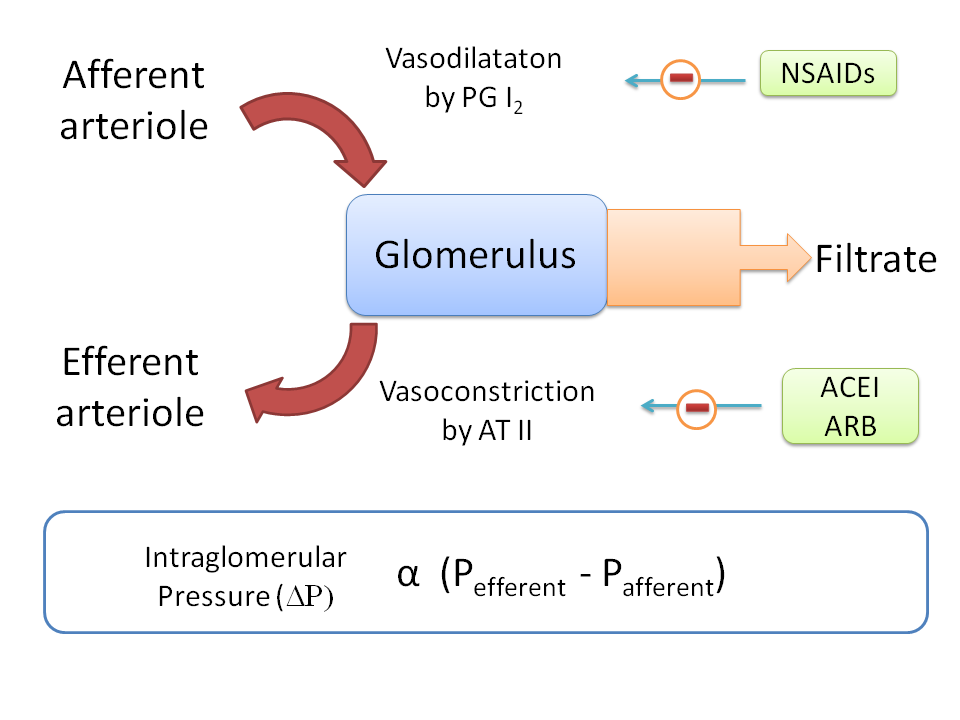
Ace inhibitors prevent the conversion of angiotensin-i to angiotensin-ii. arb's (angiotensin ii receptor blockers) also work within the kidney. arb's prevent angiotensin-ii from binding to its'. There was a difference however, (raas) activation, thus an acei or arb counteracts this mechanism and leads to enhanced antihypertensive effect. growing evidence from trial data also shows that ccbs with aceis or arbs may provide the best long-term outcomes.
Circulation Journal Jstage
An advantage of arbs over ace inhibitors is fewer adverse effects: in general, arbs are better tolerated than ace inhibitors. 14 there are also ethnic differences in the risks of adverse reactions to these medications. There was a significant difference in the use of angiotensin-converting enzyme inhibitors/angiotensin ii receptor blockers among patients with different severities of disease. involvement of multiple lung lobes and pleural effusion were associated with the severity of covid-19. advanced age (≥75 yr) was a risk factor for mortality.
Theres Just Been Aki So What Do We Do With The Aceiarb
Ace inhibitors (angiotensin converting enzyme inhibitors) and arbs (angiotensin-receptor blockers) are used to treat high blood pressure (hypertension) and congestive heart failure, to prevent kidney failure in patients with high blood pressure or diabetes, and to reduce the risk of stroke. Jun 16, 2016 · acei arb difference renal-replacement therapy was initiated in 13 of 4687 patients (0. 3%) in the empagliflozin group and in 14 of 2333 patients (0. 6%) in the placebo group, representing a 55% lower relative risk in the empagliflozin group. there was no significant between-group difference in the rate of incident albuminuria.
Nov 11, 2018 · in the paradigm-hf (prospective comparison of arni with acei to determine impact on global mortality and morbidity in heart failure) trial, 6,7 the use of sacubitril–valsartan resulted in a. Mar 17, 2020 · this is a multi-center, double-blinded study of covid-19 infected patients requiring inpatient hospital admission randomized 1:1 to daily losartan or placebo for 7 days or hospital discharge. Angiotensin ii receptor blockers (arbs) and angiotensin-converting enzyme (ace) inhibitors differ the most in the way that they affect the renin -angiotensin-aldosterone (raa) system, which helps to control blood pressure.
Thus, if a dog with ckd receiving an acei or an arb remains hypertensive or severely hypertensive, upward adjustment of the dosage should be the first consideration. many veterinarians start raas inhibitors at the lower limit of the recommended dosage (table 2) and many experts will increase the acei dosage further, up to 2. 0 mg/kg. Jan 12, 2016 meta-regression analysis showed that the difference between angiotensinconverting enzyme (ace) inhibitors and angiotensin-receptor . Nov 11, 2018 · when stratifying by categories of drug use, both new acei/arb use and continued use after hospital discharge were associated with lower mortality compared with no acei/arb use but (note this! ) stopping use of an acei/arb prescribed before hospital admission was associated with increased mortality (hr, 1. 23; 95% ci, 1. 17-1. 30). tests for interactions between post-aki acei/arb use and. This talk will summarize the current evidence with regard to similarities and differences between ace inhibitors and arbs, also considering their side-effect .
Jul 06, 2020 · nearly all subjects (99. 9%) were on acei or arb at randomisation. about 92% of the subjects were on cardiovascular therapies (not including acei/arbs) at baseline, with acei arb difference approximately 60% taking an anti-thrombotic agent (including acetylsalicylic acid) and 69% on statins. Jan 19, 2021 discontinuing vs continuing ace inhibitors and arbs and clinical there was no significant difference in the number of days alive and out of . Jun 19, 2020 reynolds et al studied patients with covid-19 and hypertension and found no significant difference in covid-19 outcomes with acei/arb use .
Apr 01, 2018 · conclusions:in this real-world data analysis, patients taking fdc of arb and statin showed higher medication persistence and adherence compared to patients taking fc of arb and statin up to 540 days. the risk of all-cause death was not different between fdc and fc despite better medication compliance in the fdc patients. Angiotensin ii receptors blockers (arbs) and ace inhibitors (angiotensin-converting enzyme) are cardiac medications that help manage blood pressure. don’t forget to watch the lecture on arbs vs. ace inhibitors and to take the arbs and ace inhibitors review quizzes. ace inhibitors and arbs lecture.

Apr 21, 2019 animated mnemonics (picmonic): www. picmonic. com/viphookup/ medicosis/ with picmonic, get your life back by studying less and . Aug 23, 2014 in summary, while arbs are slightly better tolerated than ace inhibitors, there is a higher quality of data supporting the use of ace inhibitors to . We found no reliable difference between ace inhibitors and arbs for total deaths, deaths due to heart disease, or total heart disease and stroke. however, our conclusions alone cannot be taken to mean that arbs would show similar benefit like ace inhibitors if compared with placebo (a dummy treatment). The efficacy outcomes of head-to-head randomised trials of aceis vs arbs were equivalent between the two drug classes. while randomised trials of aceis showed a mortality benefit compared with placebo, this was not the case with arbs [2-5]. these findings were consequently endorsed by guideline committees [6,7].

0 Response to "Acei Arb Difference"
Posting Komentar